
What to Do in a Gas Leak Emergency
Gas leaks are critical and potentially dangerous, so it’s important to act and take necessary steps immediately. Knowing what to do can safeguard your home and family. Here’s a comprehensive guide on what to do in a gas leak emergency.
Gas Leaks: Recognizing Early Signs
The first step in case of a gas leak is to recognize what the early signs are. A gas leak can be identified through the following signs:
- Smell of Gas: Natural gas is odourless, but a chemical called mercaptan is added to give it a distinct smell, often described as rotten eggs.
- Hissing Sound: If you hear a hissing or whistling sound near a gas line, take caution, as it can indicate a gas leak.
- Dead Plants: Vegetation near gas lines may die if there is a leak underground.
- Bubbles in Water: Gas leaks can cause bubbling in standing water or puddles around your home.
Immediate Things to Do
- Do Not Light a Match: Do not light a match and avoid creating sparks or anything that will cause a fire. Do not light matches, candles, or cigarettes. Even flipping a light switch can light the gas.
- Leave the Building: Immediately leave the structure if you suspect a gas leak. Do not stop for any reason. Ensure all people leave the building quickly and safely. Leave doors open to ventilate the area if possible.
- Avoid Electrical Appliances: Avoid the use of anything electrical within the building. It includes phones. If you must call for help, please do so from a remote location.
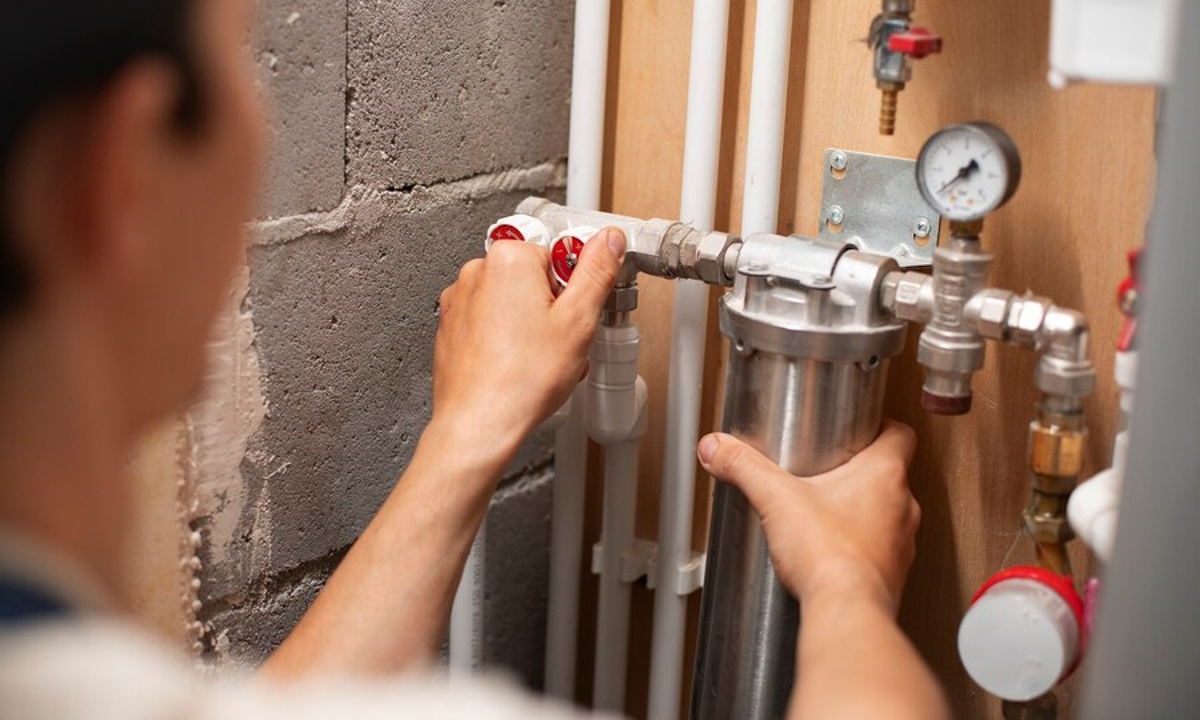
- Shut Off the Gas Supply: Shut off the gas supply if it is safe to do so. It is done by turning a handle or a nut to control the flow of gas. Ensure you make yourself conversant with this before the incident.
- Contact the Gas Emergency Helpline: Then give a ring to the gas emergency services. In the UK, dial the National Gas Emergency Service using the toll-free telephone number 0800 111 999. Pass your location to them and provide them with information about the suspected gas leakage.
- Do Not Re-enter Until Safe: Do not go into your house until a qualified professional has declared it safe. Gas companies and emergency responders are trained to handle these situations and will ensure all safety measures are in place before allowing re-entry.
Preventative Measures
To prevent gas leaks, there is a need for systematic vigilance and proper maintenance. Here are some things homeowners should do to ensure the safety of their houses:
- Regular Inspections: Book regular inspections for your gas appliances and lines. A competent engineer can identify potential issues before they become hazardous.
- Install Carbon Monoxide Detectors: Install a carbon monoxide detector in your home, which can help detect incomplete combustion, which can indicate a gas appliance malfunction.
- Proper Ventilation: Properly ventilate all of your gas appliances. Blocked vents can trap gas and other dangerous fumes.
- Educate Your Household: Make sure everyone in your home is well-educated about how to recognize a gas leak and what to do in times of emergency. Be sure to practice evacuation with all household members.
- Safe Installation Practices: Use registered professionals to complete the installation or service of your gas appliances. Most gas leaks are a result of inappropriate installation procedures.
- Know Your Gas Shut-Off Location: Know where your gas shut-off is and how to turn it off—it might just save you or someone else’s life.
Conclusion
A gas leak emergency is a serious situation and requires swift action. Promoting understanding of what to look for, quick steps toward safety, and follow-up on the preventive steps can help you keep your home and loved ones safe from some of the risks related to gas leaks. Regular maintenance and education are important components of gas leakage prevention and ensuring a safe living environment. Never wait to call professionals if you need them and always put safety first.