
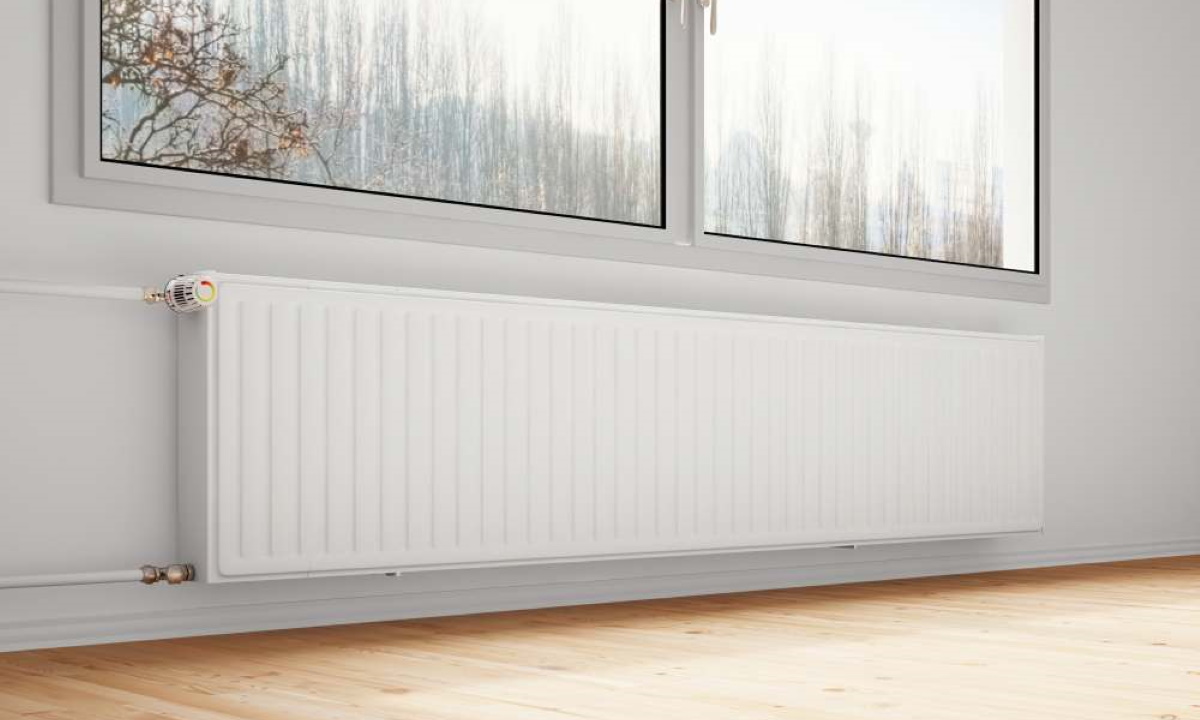
As the cold weather approaches slowly, the central heating system starts working on overload. This can increase the pressure on the heating system immensely. This can cause various problems, and one of the most common ones is the trapping of air in the heating system. This can cause one of the common problems – ineffective heating by radiators. Radiators not working properly means cold rooms. Nobody wants that. So, if you see that the radiators are making a sound, are not working properly, or shutting down suddenly, the reason may be trapped air in the system.
One of the most common ways to solve this issue is by bleeding the radiator. This can be done at home by yourself in a few simple steps. Some supplies you will need to include a radiator key, a tub to catch any dripping water and some towels to avoid the carpets from getting wet.
#1 Turn on the heating system
First, switch on the central heating system and make sure all the radiators are on. Also, turn up the heat of the radiators to the maximum. Wait for the radiators to get hot completely. Otherwise, the bleeding will not work properly.
#2 Check the radiator temperature
Now that you have let the radiators get hot for some time, and by now, every one of them should be hot. However, to check, wear gloves, and touch the top of the radiator, avoid any burns. Check for any kind of cold spots on the radiators. There are a few things to check to see which radiator needs bleeding, like cold areas, not getting hot, gurgling noise, etc.
Also, be sure and check if there is more than one radiator that requires bleeding. Also, if the house is a multistory, then bleed the ground floor ones before the upper floor radiators.
#3 Switch the heating off and cooling
Now you have identified the radiators which require bleeding, it is the time to bleed them. Before starting the process, one should switch the heating off. Intake valves on the radiators should be running, but the output heating should be off.
Now, that the heating is off, wait until the radiators are cold. This will help with two things: one, after opening the valve, the boiling water will not come out, and second, air will settle down, and the bleed will be effective.
#4 Reach the bleed valve
Now, you will have to find the valve that will be used to bleed the radiator. This is called the bleed valve and usually found on top of the radiator. Put some towels just below the valve along with the tub to catch the water.
#5 Bleed the valve
Now comes the most important step of bleeding the radiator. Attach the radiator key to the bleed valve. Now, rotate the key in the anti-clockwise direction and only up to a quarter of the round. At this point, you will hear the air escaping with a hissing sound.
Remember not to rotate the valve way too much, or else all the water will start coming out of the valve. Wait till the hissing stops, and the water started trickling down or coming out in a small jet. When the water stream is steady, then it is time to stop bleeding as all the air has escaped.
After the bleeding is done, re-tighten the valve. Clean the trickled water before moving towards the next radiator that requires bleeding. After bleeding all the radiators, turn the heating system on and check if the radiators are feeling hot and are working just fine. For any issues with your central heating please contact Kuras Gas & Electrical Services.