How to Choose the Right Boiler for Your Home
Choosing the best boiler for your home is a serious decision It affects both your comfort and energy bills. It is a comprehensive guide that should help you choose the right boiler.
Important Factors to Consider in Choosing a Boiler
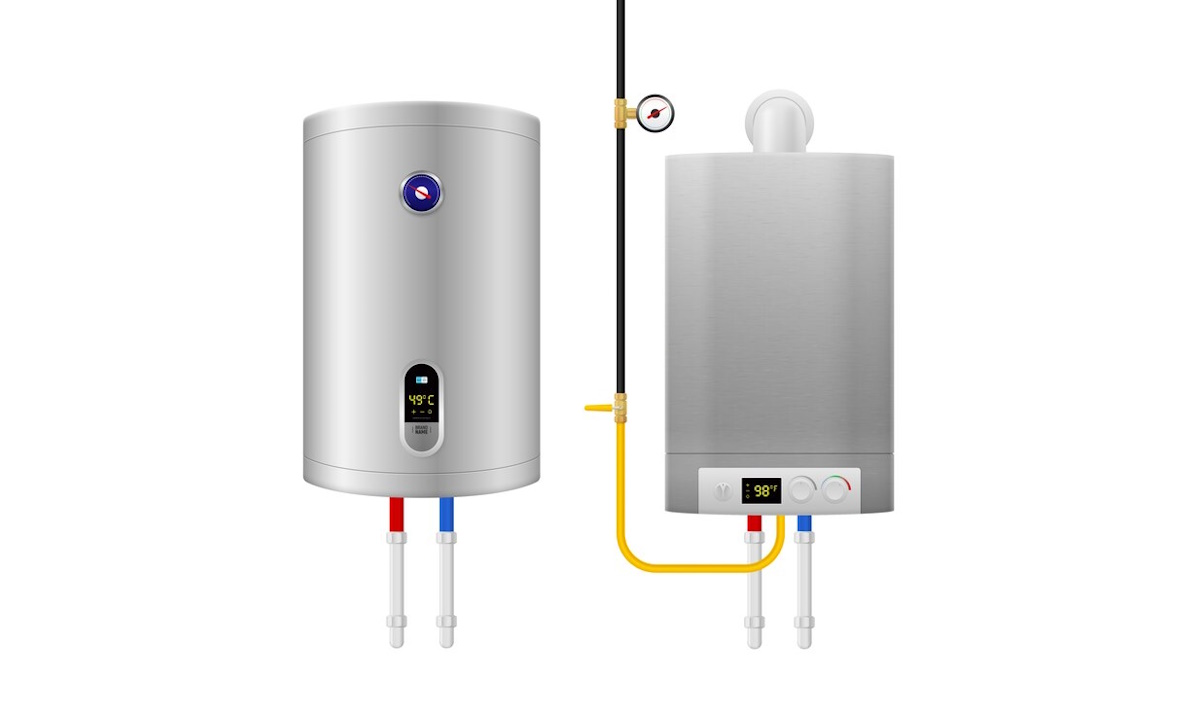
There are three main types: combi, system, and regular boilers. All are uniquely suited to fit in the different homes depending on size and application.
Combi Boilers
When it comes to heating water directly from the main supply, they will do so once you switch on a tap, meaning there is no need for a hot water storage cylinder. Hence, this boiler is best suited to small-sized homes or apartments.
The prime benefit that a user will truly enjoy is the unlimited hot water they get from this boiler. However, if all the taps are using hot water, the flow and pressure will be insufficient.
System Boilers
They require a cylinder for hot water, but there is no need for a cold water tank. Hence, their best use is in bigger spaces where hot water demand is higher. Ideal for
They will heat water for many outlets without a significant pressure difference, making them appropriate for houses with more than a single bath.
Regular Boilers
Regular boilers are sometimes known by the name conventional or heat-only boilers. Overall, they would best suit homes with a present heating system following the structure of a traditional boiler.
They can handle high demands for hot water and heating. They are, therefore, ideal for larger households that might have numerous bathrooms.
Factors to Consider When Installing Your Boiler
- Size of the Boiler and Demand for Hot Water: The size of the boiler and the demand for hot water in your house is often the first thing that people consider. Considering the small size, as well as the small amount it can supply a combi boiler is often considered the best fit for small homes or flats with limited space. The system or regular boiler, on the other hand, usually provides a better, continuous supply for larger homes with many bathrooms.
- Energy Efficiency Level: Importance when cutting costs and the carbon footprint. Modern boilers come with high-efficiency ratings: usually, combi boilers are more efficient, given that they do not store water. High-efficiency boilers come with an efficiency rating of ‘A’. They can also be used with a smart thermostat that could help in controlling the energy in a better manner.
- Installation Cost and Maintenance: While the installed price of the boiler is relevant, you’re looking at the cost of installing the boiler, including any structural alterations. The new boiler installation cost of a combi might be a bit lower, given that it has fewer components. Conversely, the system and regular boilers may well have a better long-term reliability record if they are correctly maintained.
- Fuel Type: The type of fuel you have available in your house will determine the type of boiler that you can have. Most homes use gas boilers because they are handy, cheap to buy, and usually meet the house’s heating requirements. Alternatively, oil boilers are used where gas is not available, and electric boilers will then be utilized in homes with no gas or oil, but normally come at a more prohibitive cost to run.
- Brand and Reliability: Go for a brand recognized for its reliability and good customer service. Reviews and ratings will give you the power to select a model from a recognized brand with a proven track of performance and longevity. With the likes of Worcester Bosch, Vaillant, and Ideal, you will never go wrong.
- Future-Proofing: Taking those future-proofed boilers for solar thermal systems will aid in reducing your carbon footprint and bringing long-term savings as well.
Conclusion
Choosing the right boiler—it’s all about the balance between finding what’s needed at home efficiency, cost, and long-term reliability. Getting to know what type of boiler you need and which are the key considerations that will inform your decision. Whether you decide on a combi, system, or regular boiler, it must be able to meet the demand for hot water within your household and promise affordability and efficiency to keep your abode warm and energy bills at a minimal low.